
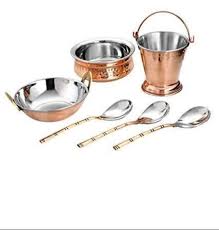
In the restaurant industry, efficiency, consistency, and food quality are essential for success. Whether operating a fine dining restaurant, café, hotel kitchen, catering business, fast-food outlet, or bakery, having the right restaurant utensils and cookware is critical for smooth kitchen operations. High-quality utensils and cookware help chefs prepare meals efficiently, maintain consistency, improve food presentation, and ensure customer satisfaction.
Commercial kitchens operate at a much higher capacity than home kitchens. Restaurant cookware and utensils must be durable, easy to clean, heat-resistant, and capable of handling heavy daily use. Investing in the right tools can significantly improve kitchen productivity while reducing preparation time and operational stress.
In this blog, we will explore the importance of restaurant utensils and cookware, essential kitchen tools, types of cookware, benefits of investing in quality equipment, and factors to consider before purchasing.
Why Restaurant Utensils and Cookware Matter
Every commercial kitchen depends on reliable tools to function efficiently.
Without proper utensils and cookware, restaurants may face:
- Delayed food preparation
- Inconsistent meal quality
- Higher labor costs
- Kitchen inefficiency
- Increased equipment replacement expenses
The right kitchen tools help restaurants:
- Improve food consistency
- Speed up cooking processes
- Maintain kitchen organization
- Ensure food safety
- Improve chef productivity
In professional kitchens, even small tools play a major role in daily operations.
Difference Between Restaurant and Home Cookware
Many people assume household cookware can be used commercially. However, restaurant kitchens require professional-grade products designed for heavy-duty performance.
Restaurant cookware differs because it offers:
- Greater durability
- Larger cooking capacity
- Heat resistance
- Commercial-grade materials
- Better performance under pressure
Commercial kitchens often prepare hundreds of meals daily, making durability extremely important.
Essential Restaurant Utensils
Restaurant utensils are everyday tools used for food preparation, cooking, plating, and serving.
Chef Knives
Knives are among the most important kitchen tools.
Common restaurant knives include:
- Chef knives
- Bread knives
- Boning knives
- Utility knives
- Paring knives
Sharp, high-quality knives improve speed and precision.
Cutting Boards
Restaurants require multiple cutting boards for food safety.
Different boards are often used for:
- Meat
- Seafood
- Vegetables
- Bread
This helps reduce cross-contamination.
Mixing Bowls
Mixing bowls are essential for:
- Preparing ingredients
- Mixing sauces
- Marinating foods
- Baking preparation
Stainless steel bowls are especially popular in commercial kitchens.
Measuring Tools
Consistency matters in restaurants.
Essential measuring tools include:
- Measuring cups
- Measuring spoons
- Kitchen scales
These tools ensure recipe accuracy.
Tongs
Tongs help chefs safely handle food during cooking and serving.
They are commonly used for:
- Grilling meats
- Serving salads
- Frying foods
Ladles and Serving Spoons
Restaurants use ladles for:
- Soups
- Sauces
- Gravies
Serving spoons assist with portion control.
Spatulas
Different spatulas are used for:
- Flipping food
- Mixing ingredients
- Decorating desserts
Heat-resistant silicone spatulas are widely preferred.
Whisks
Whisks help blend ingredients smoothly.
They are used for:
- Sauces
- Creams
- Batter preparation
Essential Restaurant Cookware
Cookware refers to pots, pans, and cooking vessels used for meal preparation.
Frying Pans
Frying pans are essential for:
- Sautéing vegetables
- Cooking meats
- Frying eggs
- Preparing sauces
Popular materials include:
- Stainless steel
- Non-stick surfaces
- Cast iron
Saucepans
Saucepans are ideal for:
- Heating liquids
- Cooking sauces
- Preparing soups
Restaurants often keep multiple saucepan sizes.
Stock Pots
Large stock pots are necessary for:
- Soups
- Broths
- Boiling pasta
- Bulk cooking
Hotels and large restaurants rely heavily on stock pots.
Sauté Pans
These pans are designed for fast cooking over high heat.
Chefs use them for:
- Stir-frying
- Browning food
- Sauce preparation
Grill Pans
Grill pans help create restaurant-style grill marks on meats and vegetables.
Roasting Pans
Used for:
- Roasting meats
- Baking dishes
- Bulk food preparation
Baking Trays
Restaurants and bakeries require trays for:
- Pastries
- Pizza
- Bread
- Desserts
Popular Materials Used in Restaurant Cookware
Stainless Steel
Stainless steel is one of the most popular commercial cookware materials.
Benefits include:
- High durability
- Rust resistance
- Easy cleaning
- Professional appearance
Cast Iron
Cast iron cookware retains heat exceptionally well.
It is commonly used for:
- Steaks
- Grilled dishes
- Slow cooking
Aluminum
Aluminum cookware heats quickly and evenly.
Benefits include:
- Lightweight design
- Fast heating
- Cost efficiency
Copper
Copper cookware provides excellent heat control.
It is often used in premium kitchens.
Non-Stick Materials
Non-stick cookware reduces food sticking and simplifies cleaning.
Ideal for:
- Eggs
- Pancakes
- Delicate foods
Benefits of High-Quality Restaurant Utensils and Cookware
Better Kitchen Efficiency
Professional-grade tools help chefs work faster and more effectively.
Improved Food Quality
Reliable cookware ensures consistent cooking temperatures.
This improves:
- Flavor
- Texture
- Presentation
Greater Durability
Commercial cookware withstands heavy daily use.
This reduces replacement costs.
Better Food Safety
Proper utensils reduce contamination risks.
Long-Term Cost Savings
Premium equipment may cost more initially but offers better long-term value.
Restaurant Types That Need Professional Cookware
Fine Dining Restaurants
Require premium cookware for precision cooking.
Cafés
Need baking trays, pans, and beverage utensils.
Fast Food Restaurants
Depend on durable cookware for speed and consistency.
Hotels
Require large-capacity cookware for bulk meal preparation.
Catering Businesses
Portable and heavy-duty cookware supports event services.
Bakeries
Specialized baking trays and utensils are essential.
Factors to Consider Before Buying Restaurant Cookware
Durability
Choose products designed for commercial kitchens.
Heat Compatibility
Ensure cookware works with gas, induction, or electric systems.
Ease of Cleaning
Easy maintenance improves kitchen productivity.
Kitchen Volume
High-volume kitchens require stronger materials.
Budget
Invest in quality while balancing affordability.
Storage Space
Choose cookware sizes suitable for kitchen layout.
Trends in Restaurant Cookware and Utensils
Eco-Friendly Materials
Sustainable kitchen products are growing in popularity.
Multi-Purpose Tools
Restaurants increasingly prefer tools with multiple functions.
Heat-Efficient Cookware
Energy-efficient cookware reduces operational costs.
Smart Kitchen Equipment
Modern kitchens integrate advanced cooking technologies.
Maintenance Tips for Restaurant Cookware
Clean Immediately After Use
Prevents buildup and extends lifespan.
Avoid Harsh Chemicals
Use restaurant-safe cleaning solutions.
Sharpen Knives Regularly
Sharp knives improve safety and efficiency.
Store Properly
Organized storage prevents damage.
Replace Damaged Items
Worn cookware can affect food quality.
Why Quality Restaurant Utensils Matter for Business Success
Professional kitchens rely on speed, precision, and consistency.
High-quality utensils and cookware help restaurants:
- Improve meal quality
- Enhance kitchen performance
- Reduce staff stress
- Maintain customer satisfaction
Reliable kitchen tools directly contribute to better service and profitability.
Conclusion
Investing in quality restaurant utensils and cookware is essential for restaurants, hotels, cafés, bakeries, and catering businesses seeking efficiency, consistency, and long-term success. From chef knives and cutting boards to frying pans and stock pots, every kitchen tool plays a crucial role in maintaining food quality and operational productivity.
Choosing durable, professional-grade cookware improves cooking performance, enhances food safety, and reduces maintenance costs over time. Whether opening a new restaurant or upgrading an existing kitchen, investing in premium utensils and cookware helps create smoother workflows and better customer experiences.
As the restaurant industry continues to grow and evolve, reliable cookware and utensils remain one of the most valuable investments for any successful commercial kitchen.