
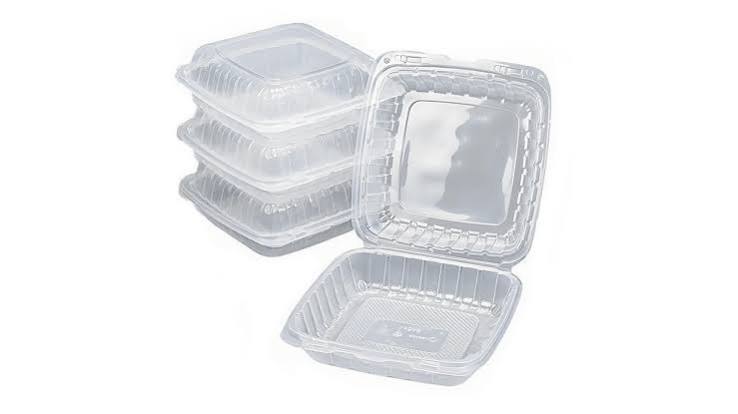
The food service industry in Jamaica continues to grow rapidly, driven by restaurants, cafés, food trucks, bakeries, catering companies, and takeaway businesses. As customer demand for convenient food delivery and takeout services increases, the need for high-quality disposable food boxes in Jamaica has become more important than ever.
Disposable food boxes offer a practical, hygienic, and cost-effective solution for packaging meals while preserving freshness and preventing leaks during transportation. Whether you’re serving hot meals, cold salads, desserts, or snacks, choosing the right food packaging helps improve customer satisfaction, protect food quality, and strengthen your brand image.
Today, businesses also have access to eco-friendly disposable food boxes made from biodegradable and recyclable materials, allowing them to reduce their environmental impact while meeting customer expectations.
In this comprehensive guide, we’ll explore the different types of disposable food boxes, their benefits, how to choose the right packaging, and why investing in quality disposable food boxes in Jamaica is essential for any food business.
Why Disposable Food Boxes Are Important
Food packaging is more than just a container—it protects the food, maintains hygiene, and enhances the customer experience.
High-quality disposable food boxes help:
- Keep food fresh
- Prevent spills and leaks
- Maintain food temperature
- Improve food presentation
- Ensure hygienic transportation
- Support takeaway and delivery services
- Reduce cleanup time
- Increase customer convenience
For restaurants and food vendors, reliable packaging plays a significant role in building customer trust and encouraging repeat business.
Types of Disposable Food Boxes Available in Jamaica
There are many types of disposable food boxes designed for different food items and business needs.
Paper Food Boxes
Paper food boxes are widely used for:
- Fried foods
- Rice dishes
- Pasta
- Noodles
- Sandwiches
- Snacks
Benefits include:
- Lightweight
- Easy to stack
- Food-safe
- Recyclable options available
- Suitable for takeaway services
Paper boxes are a popular choice for businesses seeking simple and practical packaging solutions.
Kraft Food Boxes
Kraft paper food boxes have become increasingly popular because of their natural appearance and eco-friendly appeal.
Advantages include:
- Durable construction
- Leak-resistant coatings (where applicable)
- Environmentally friendly options
- Attractive presentation
- Suitable for hot and cold foods
Many restaurants choose kraft packaging to reflect their commitment to sustainability.
Plastic Food Containers
Plastic disposable food boxes are commonly used for:
- Salads
- Desserts
- Cold meals
- Fresh fruit
- Deli items
Benefits include:
- Transparent visibility
- Secure lids
- Leak resistance
- Lightweight design
- Excellent food presentation
These containers are especially useful for displaying food while protecting it during transport.
Foam Food Boxes
Foam containers provide excellent insulation for hot meals.
They’re commonly used for:
- Rice meals
- Chicken dishes
- Burgers
- Fried foods
- Lunch specials
Benefits include:
- Good heat retention
- Lightweight
- Affordable
- Easy transportation
Businesses should always check local environmental regulations regarding foam packaging before purchasing.
Compartment Food Boxes
Compartment containers allow different food items to remain separated.
Ideal for:
- Combo meals
- Lunch boxes
- Catering meals
- School lunches
- Meal prep
Separate compartments help preserve food quality and presentation.
Eco-Friendly Disposable Food Boxes
Sustainability has become an important consideration for both businesses and customers.
Eco-friendly disposable food boxes may be made from:
- Kraft paper
- Sugarcane bagasse
- Bamboo fiber
- Recyclable paperboard
- Compostable materials
Benefits include:
- Reduced environmental impact
- Biodegradable options
- Improved brand reputation
- Growing customer preference
- Support for sustainable business practices
Many restaurants now promote environmentally responsible packaging as part of their brand identity.
Benefits of Using High-Quality Disposable Food Boxes
Investing in premium food packaging provides several advantages.
Food Safety
Food-grade packaging helps protect meals from contamination during storage, handling, and delivery.
Leak Prevention
Quality food boxes reduce the risk of spills, protecting both the food and the customer’s experience.
Better Food Presentation
Well-designed packaging enhances the visual appeal of meals and leaves a positive impression on customers.
Temperature Retention
Some disposable food boxes provide insulation that helps keep hot foods warm and cold foods chilled during transportation.
Convenience
Disposable containers eliminate the need for customers to return packaging and simplify cleanup after meals.
Industries That Use Disposable Food Boxes in Jamaica
Disposable food boxes are essential across many sectors of the food industry.
Restaurants
Restaurants use disposable food boxes for:
- Takeaway orders
- Delivery meals
- Family meal packages
- Combo meals
Reliable packaging helps maintain food quality during transport.
Food Trucks
Food trucks require lightweight, durable packaging that is easy to carry and suitable for quick service.
Cafés
Cafés commonly package:
- Sandwiches
- Salads
- Pastries
- Desserts
- Breakfast meals
Compact food boxes improve convenience for customers on the go.
Bakeries
Disposable food boxes help protect:
- Cakes
- Cookies
- Pastries
- Cupcakes
- Donuts
Proper packaging preserves freshness while enhancing presentation.
Catering Services
Catering businesses rely on disposable food boxes for:
- Corporate events
- Weddings
- Private parties
- Outdoor functions
Secure packaging ensures meals arrive safely and professionally.
How to Choose the Best Disposable Food Boxes in Jamaica
Selecting the right packaging depends on several factors.
Food Type
Choose packaging appropriate for:
- Hot foods
- Cold foods
- Liquids
- Fried foods
- Desserts
Different foods require different levels of insulation and leak resistance.
Material Quality
High-quality food-grade materials provide better durability, safety, and performance.
Leak Resistance
Containers with secure closures help prevent spills during transportation.
Size Options
Offer multiple sizes to accommodate:
- Individual meals
- Family portions
- Snacks
- Desserts
- Side dishes
Using the correct size improves presentation and minimizes packaging waste.
Eco-Friendly Features
Businesses seeking sustainable solutions should consider recyclable or compostable packaging where available.
Why Restaurants in Jamaica Need Quality Food Packaging
As food delivery continues to grow, packaging has become an important part of the customer experience.
Professional food packaging helps businesses:
- Protect food quality
- Reduce customer complaints
- Improve delivery performance
- Enhance brand image
- Increase customer satisfaction
- Encourage repeat orders
Quality packaging is an investment in both operational efficiency and customer loyalty.
Tips for Proper Use of Disposable Food Boxes
To maximize packaging performance:
Store Packaging Properly
Keep food boxes in a clean, dry environment to maintain hygiene.
Match Packaging to Food
Use insulated containers for hot foods and moisture-resistant options for saucy or oily meals.
Avoid Overfilling
Properly filled containers close securely and reduce the risk of leaks.
Seal Containers Correctly
Ensure lids or closures are fully secured before transport.
Choose Food-Safe Products
Always use containers designed specifically for food contact and follow manufacturer recommendations.
Future Trends in Food Packaging
The food packaging industry continues to evolve with changing customer expectations.
Growing trends include:
- Compostable food packaging
- Recyclable materials
- Minimalist packaging designs
- Tamper-evident packaging
- Custom-branded food boxes
- Sustainable packaging innovations
Businesses adopting modern packaging solutions can improve both customer satisfaction and environmental responsibility.
Frequently Asked Questions
What are disposable food boxes used for?
Disposable food boxes are used for takeaway meals, food delivery, catering, meal preparation, bakery products, and restaurant packaging.
Are disposable food boxes food-safe?
Yes, when manufactured from food-grade materials and used according to the manufacturer’s recommendations.
Which food boxes are best for hot meals?
Insulated paper, bagasse, or other heat-resistant food-grade containers are generally suitable for hot meals, depending on the specific product.
Are eco-friendly food boxes available?
Yes. Many suppliers offer biodegradable, compostable, and recyclable food packaging made from sustainable materials.
Why is quality food packaging important?
Quality packaging helps preserve food freshness, prevent leaks, improve presentation, and enhance the overall customer experience.
Final Thoughts
Choosing the right disposable food boxes in Jamaica is essential for restaurants, cafés, bakeries, catering companies, and food delivery businesses. High-quality packaging protects food, maintains hygiene, improves presentation, and creates a positive customer experience from kitchen to table.
Whether you need paper food boxes, kraft containers, plastic meal boxes, compartment trays, or eco-friendly packaging, selecting durable and food-safe products helps your business operate more efficiently while meeting customer expectations.
By investing in reliable disposable food boxes, you can reduce waste, protect your meals during transport, strengthen your brand image, and support the continued growth of your food business.